Author Information
Soliloquy at the Breaking Point
Soliloquy at the Breaking Point
In chambers echoing—my fractured soul—
where shadows dance, unseen scars take their toll...
I etch these words. A final, fragile—
(Can they hear?)
(Will they understand this cry?)
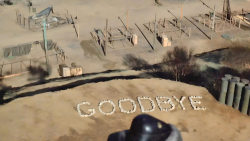
To those who held my heart... before... this long goodbye.
Each letter, see it bleeds; a piece laid bare,
this testament to all I couldn't quite... bear.
students:
seekers, flame.
For you, my students—seekers of truth, bright flame—
I leave these shards of wisdom—
(hard-won . . . whispered . . . shame?)
Remember... every lesson, every shared, soft sigh,
the quiet strength we forged—through tears that never fully dry.
Let courage be your compass—knowledge... shield it well—
Against the world's harsh stage, where cruelties often dwell,
and shadows gather deep.
And for my creatures... faithful, constant hearts, dear friends,
whose artless love sustained... through all my darkest parts, my bitter ends,
Creatures . . .
faithful hearts,
I pen instructions—woven with my love—so true—
To keep you safe... protected...
(Oh, what more . . . what more can one broken soul do?)
It breaks me—utterly—to imagine your soft cries... your questing gaze,
bereft of tender touch... those gentle, purring lullabies through lonely days.
I must pray... I must hope... that other hands will appear, benign and kind,
To give you all the love... the constant warmth... you were always meant to find.
For I am ghost... already... of who I was...
doors shut—
each road exhausted... what is there left...
nothing more.
This homelessness—a spectre, fate too grim to face for you, my gentle ones,
No life, no peace... no sunlit window... no chance...
beneath indifferent suns.
And so, with aching soul—my will... it shatters, trembles, still—
The only end... I'm left with... the bitter cup I choose to fill.
A cruel kindness, then—cloaked in darkest, deepest despair...
To free myself... from burdens I no longer... can bear...
(A mercy . . . or surrender . . . to the air?)
Yet, even as I teeter... on the brink... a thread of hope... a fragile link...
I see you... in my fading dreams...
homes of endless, gentle spring...
where love... will be your shelter... and your steady, joyful wing...
This fleeting vision... it soothes this weary... fading heart...
A fragile balm... to ease the endless sting of my depart...
Though I must fade—dissolve—into the coming, silent night...
My love endures...
(a flickering . . . distant . . . burning light?)
So let these whispered words... this haunted, broken, faltering cry...
Stand as a promise... that will never... never truly die...
In every trembling line... a piece of me... you'll find, somehow,
will watch... will guide... the souls you're meant to be... starting now.
And as I slip... into the vast... unknown...
I pray you'll find the peace... a peace I've never, ever known...
For in the tapestry of love we've spun... with threads so fine,
Our souls will hold... entwined...
(Even when . . . this life . . . no longer . . . mine?)

